Osaka · Landmark & views
Umeda Sky Building: An honest local's guide to the Floating Garden Observatory
KBy Kai Sato · a 28-year Osaka local
✅ Verified on-site · 2026
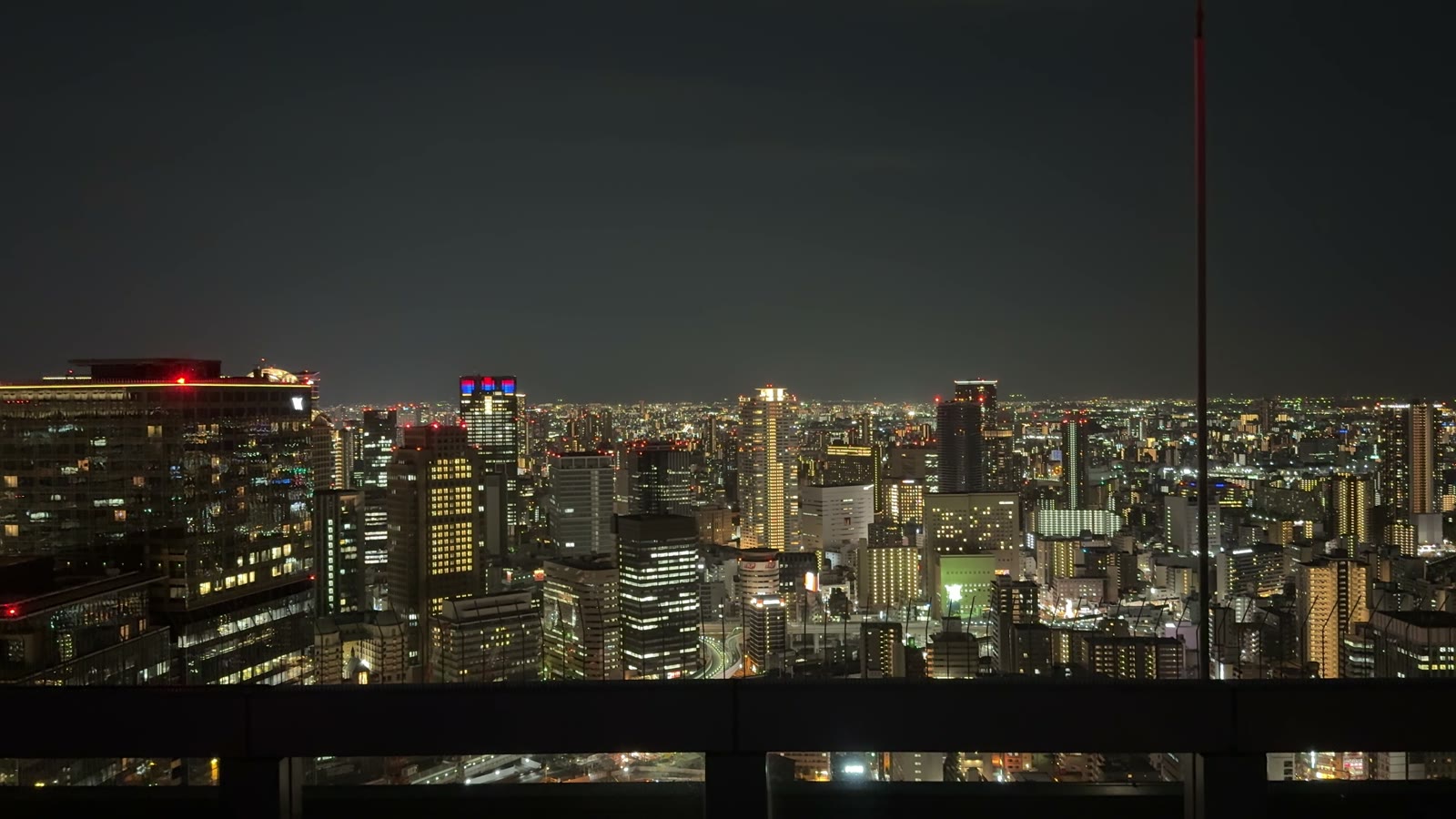
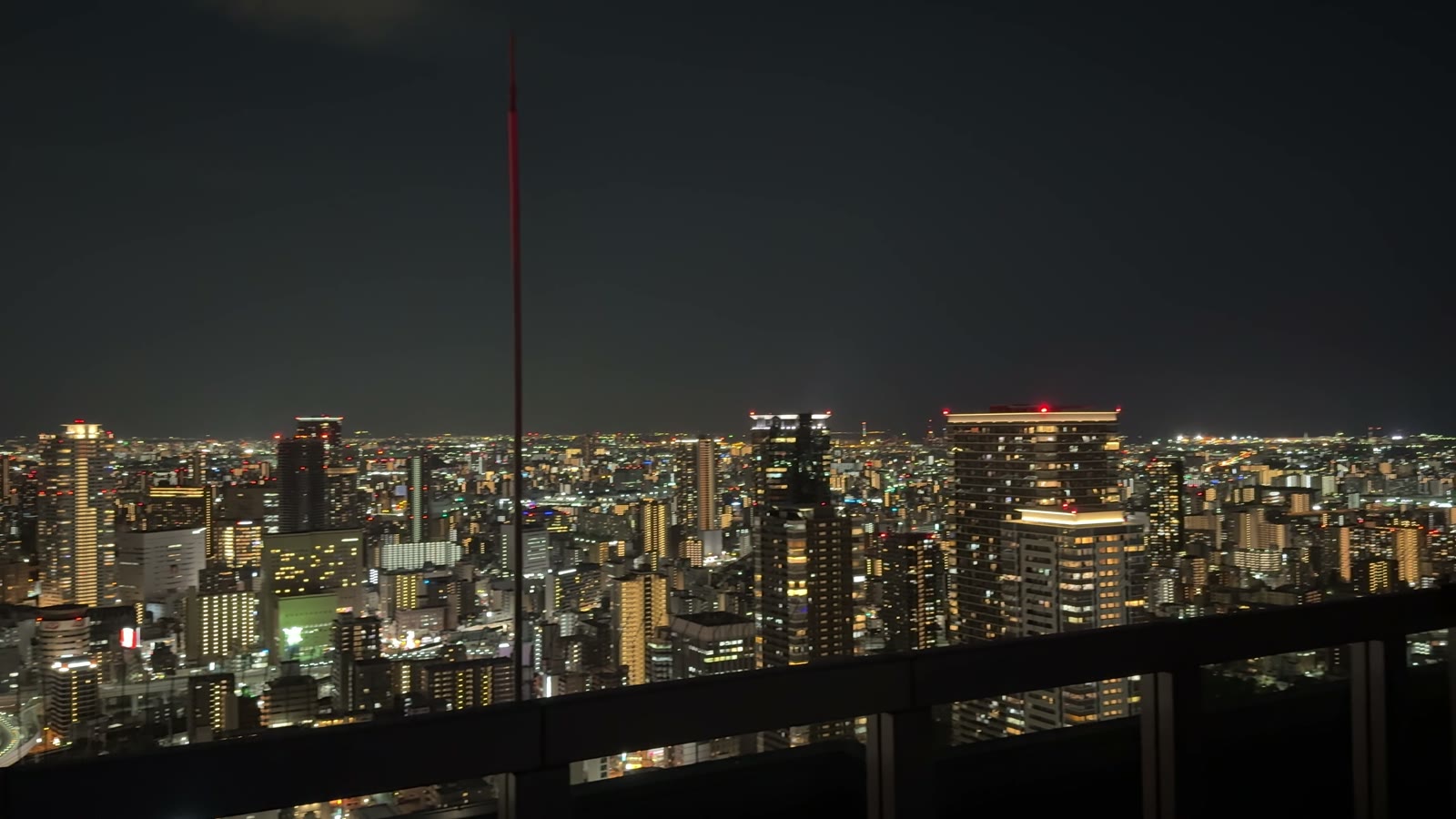
If you only do one skyline view in Osaka, this is the one I send friends to. The Umeda Sky Building's Kuchu Teien ("Floating Garden") Observatory isn't the tallest viewpoint in the city — but it's the most memorable, because the top deck is open-air: you walk out onto a ring in the sky with the wind and the whole of Osaka spread out beneath you. I've been, and honestly, it's genuinely beautiful — the kind of view that's better in person than any photo.
Yes. ¥2,000 is fair for what you get, especially after dark when the city lights come on. Just go in knowing it's popular — it draws a lot of tourists, and it gets busy. Book your ticket ahead (more on that below) and you'll skip the worst of the friction.
You ride up through the building, then take the glass escalator across the gap between the two towers — that stretch alone is a bit of a thrill. Up top you get a 360° open-air walk. It's the rare Osaka viewpoint where nobody rushes you: you can take your time, wander the full ring, and shoot as many photos as you like without anyone moving you along.
The trade-off for all that is crowds. It's firmly on the tourist trail, so at peak times (sunset, weekends, holidays) expect company and a wait for the best railing spots. It's still worth it — just don't expect a quiet, private moment with the skyline.
Straight from the official observatory info: adults ¥2,000, and ¥500 for children aged 4 through elementary school. Open 9:30–22:30, with last admission at 22:00. Hours can shift for special days and maintenance, so it's worth a quick check on the official site before a late visit.
It's close — about a 10-minute walk from JR Osaka Station (Umeda). The walk takes you under the tracks via an underground passage; follow the signs for the Sky Building and you'll be fine. That closeness is part of why it's such an easy add to a day around Umeda.
This is the one piece of real advice I'd insist on: get your ticket in advance. It gets crowded, and buying ahead means you walk in instead of queuing to buy. You can grab a skip-the-line ticket online here:
Get the Umeda Sky Building ticket on Klook →This is an affiliate link — booking through it may earn us a small commission at no cost to you. We only recommend what we'd use ourselves. See our disclosure.
For my money, aim to arrive about 45–60 minutes before sunset: you catch the city in daylight, watch it turn gold, and stay for the lights coming on — three views for one ticket. It's also the busiest window, which is exactly why an advance ticket pays off. If you'd rather dodge crowds, a weekday late morning is calm and still gorgeous.
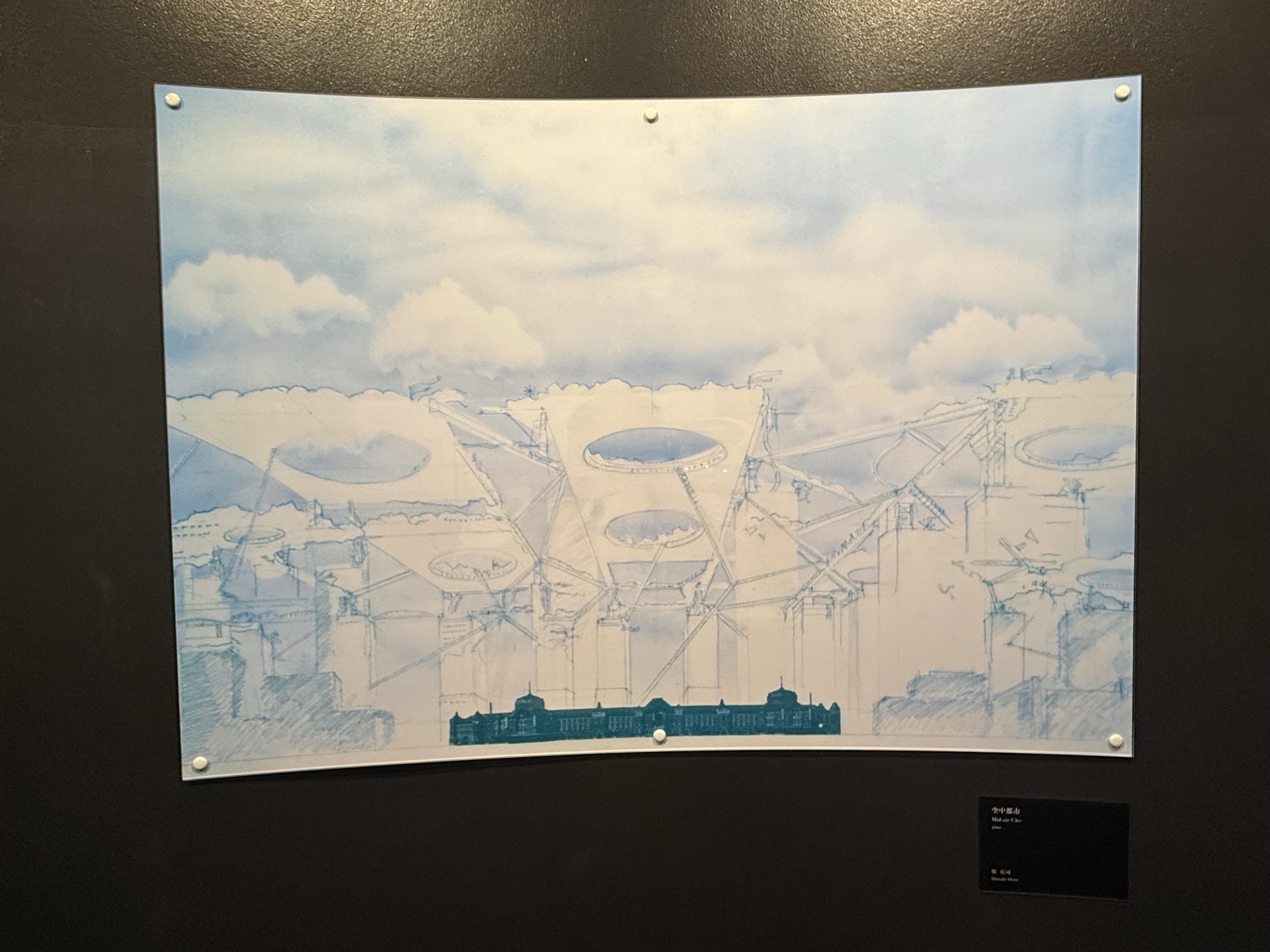
The tower is architect Hiroshi Hara's 1993 landmark: two 40-storey towers joined right at the top, so the ride up finishes with a glass escalator that floats across the open gap between them — a small thrill before you even reach the roof.
Two things I'd tell a friend not to miss:
The Lumi Sky Walk. After dark, the rooftop path is set with phosphorescent stones that glow underfoot like a field of stars. It's genuinely lovely — and the main reason I'd take a night visit over a daytime one.
Takimi-koji, in the basement. Before you leave, drop down to the basement floor. There's a recreated Showa-era back-alley of around 20 small restaurants — kushikatsu, okonomiyaki, izakaya — that most visitors walk straight past. It's free to wander, atmospheric, and a great place to eat after the view (it's covered, too, so it doubles as a rainy-day backup).
¥2,000 for adults and ¥500 for children (ages 4 through elementary school), per the official observatory information for 2026.
9:30 to 22:30, with last admission at 22:00. Hours can change on special days or for maintenance, so check the official site for a late visit.
It's about a 10-minute walk from JR Osaka Station (Umeda), via the underground passage under the tracks — just follow the signs.
You don't have to, but I'd recommend it. It gets crowded, and an advance online ticket lets you skip the ticket queue and walk straight in.
The top deck is open-air — a 360° rooftop ring in the sky. There are also indoor viewing floors just below it, so it's enjoyable in most weather.
Two things most people miss: the Lumi Sky Walk (phosphorescent stones on the rooftop path that glow at night), and Takimi-koji in the basement — a Showa-era retro alley of around 20 small restaurants, free to wander and a good spot to eat after your visit.